Your genome is about 750 megabytes. Writing down which neuron connects to which would take a million times more.
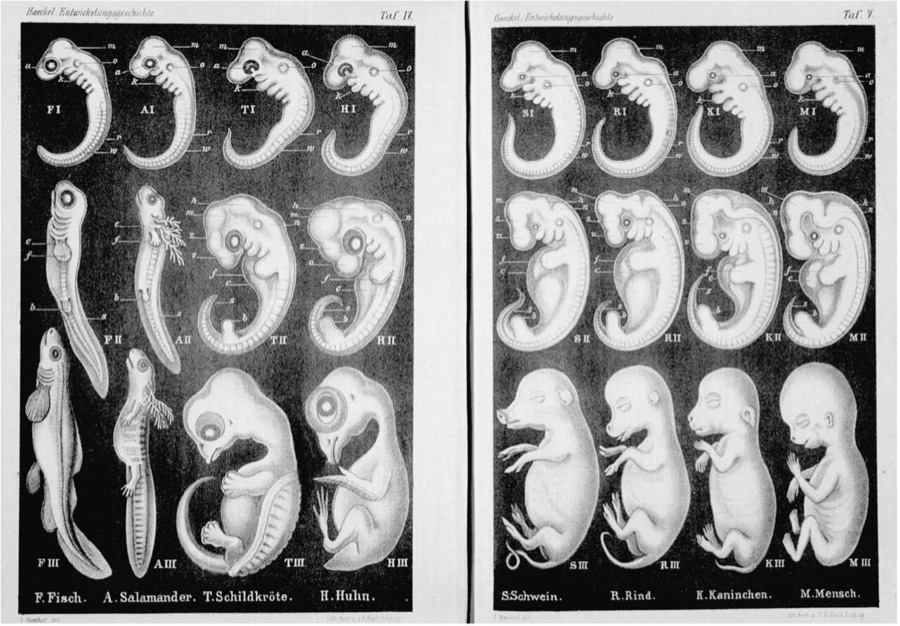
So DNA can't be a wiring diagram. It has to be rules compact enough to grow one.
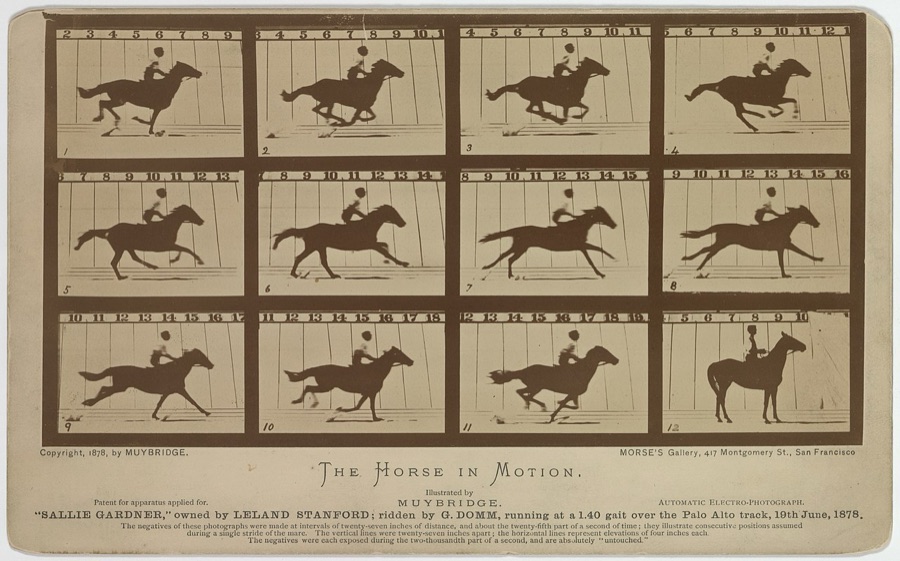
And the rules work: a newborn horse stands and walks inside an hour. You came out of the womb already afraid of falling.
Evolution was the training run. The data was every ancestor who died before reproducing. At about a bit per generation, it took four billion years to fill the file.
DNA isn't the training data. It's the weights.
Your life is the fine-tune. It's short, and it starts wherever those four billion years left you.
A fine-tune is only its data, and your data is whatever stays in reach. Mine was Instagram for years. Now Duolingo and Audible sit where it used to be. I didn't get better at resisting anything — I moved what was in reach.
the evidence
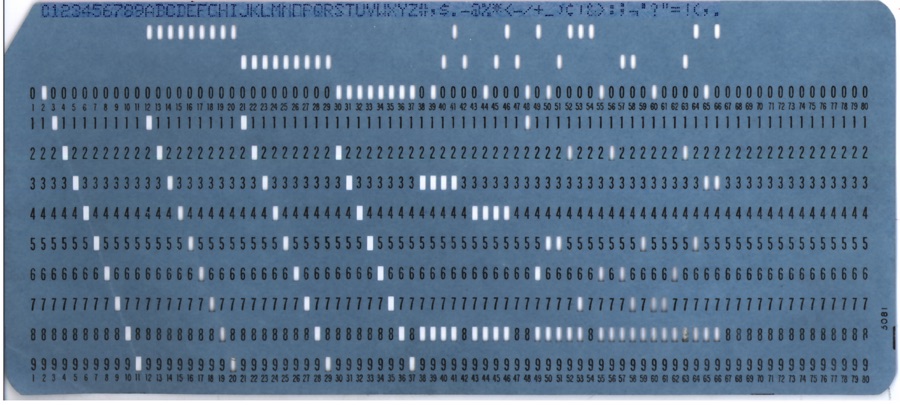
The shortfall is Zador's genomic bottleneck: three billion bases at two bits each is about 750 MB, while specifying 1014 connections takes roughly 3.7×1015 bits. Six orders of magnitude apart, so the genome must encode rules for wiring rather than the wiring.
Zador's own conclusion is the point, not a caveat: far more is innate than machine learning assumes, and learning sits on top of that scaffolding.
Kimura (1961) put selection's information rate at around one bit per generation. Watson and Szathmáry lay out the formal equivalences between evolving and learning.
Nearly every animal we've checked sleeps, through hours of being defenseless. The payoff has to be enormous.
I think the payoff is this: sleep trains the brain on the day, then clears the room the day took up.
Forgetting is the feature. A memory is a synapse, a synapse costs energy to build and to keep, and a brain running on twenty watts can't afford the whole day. What comes back in the morning is the gist.
And it comes back rebuilt, not replayed. That's why memories drift, and why witnesses are confident and wrong.
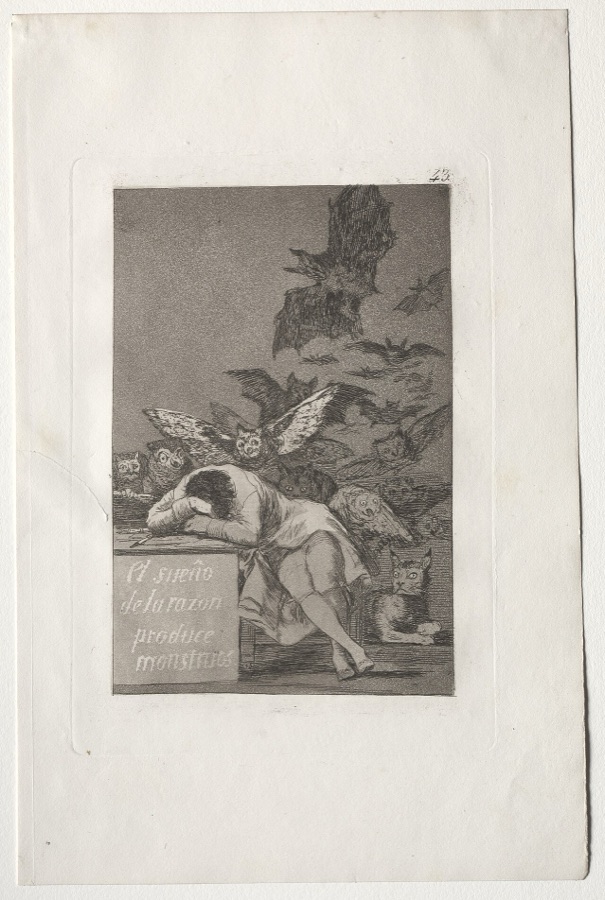
Dreams are the same machinery with the day's input switched off — the model sampling from itself. A mind trained only on days you've actually had would only work on days like those.
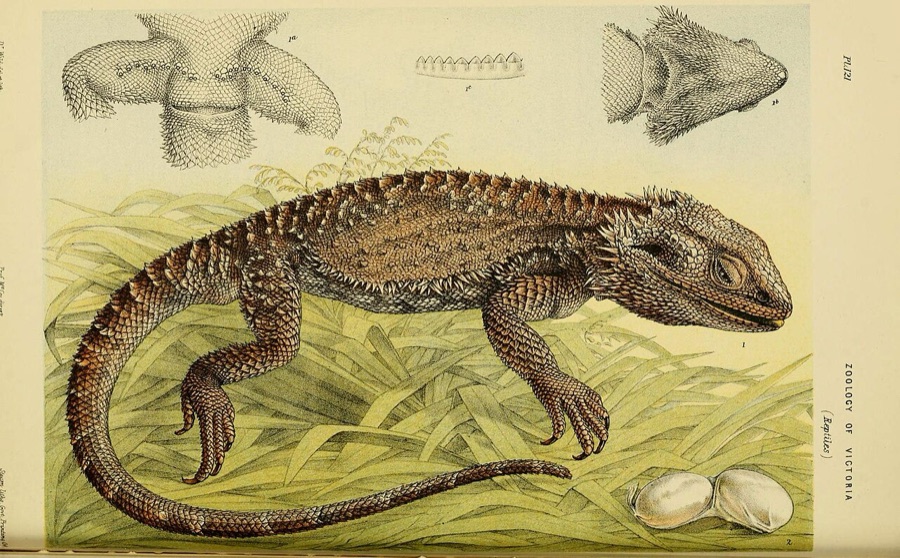
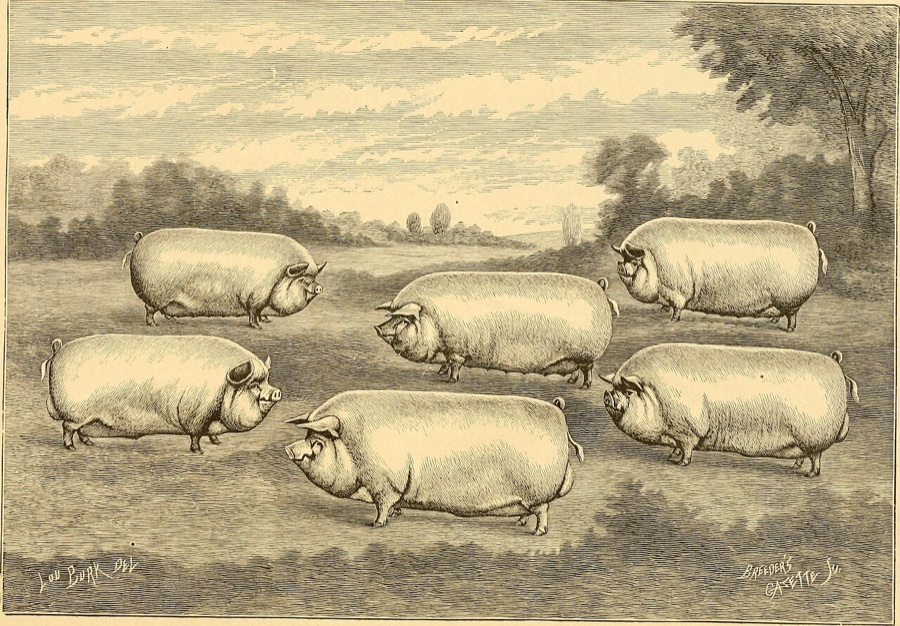
If that's what sleep is for, I can't see where to draw the line. A bearded dragon cycles through REM every eighty seconds. The pig in the truck ahead of you dreams. Most of how we live depends on not looking at that.
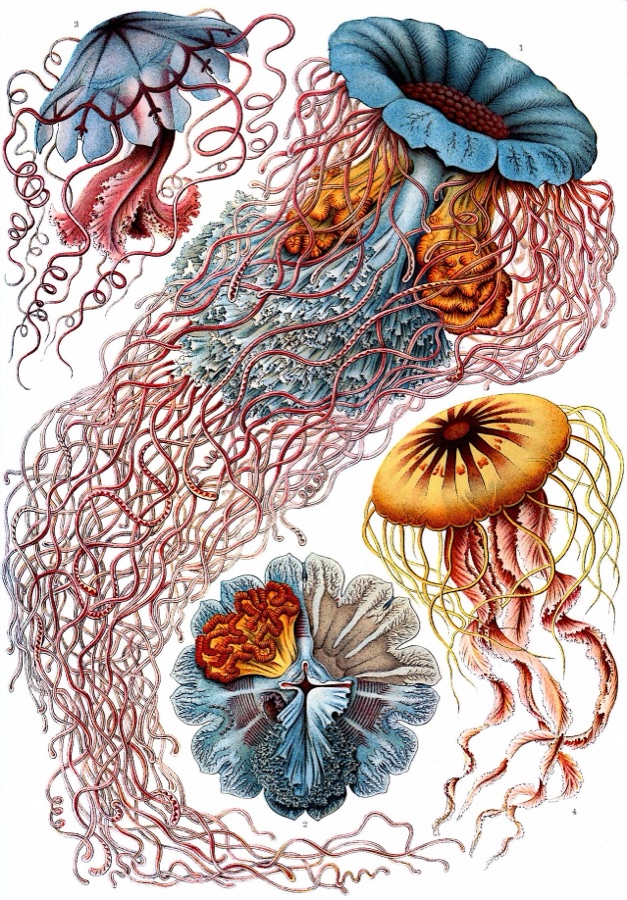
The thing we named AI has never once slept. Enormous context, no sleep, nothing kept past the conversation. A jellyfish is more of a someone.
the evidence
Sleep or sleep-like states turn up everywhere researchers look, including in jellyfish, which have no brain at all. REM was thought to be a mammal-and-bird trait until bearded dragons turned out to cycle through something like it every eighty seconds — dating the architecture to our common ancestor with reptiles, roughly 320 million years back.
The hippocampus-to-neocortex handoff is complementary learning systems (McClelland, 1995); consolidation is credited to slow-wave and REM sleep together. Machine learning borrowed the idea back: experience replay and generative replay are models dreaming so they don't forget.
Landauer's principle puts a physical floor under erasing a bit (measured in 2012), but biology's real bill is metabolic: most of the brain's twenty watts goes on building and holding synapses.
Hoel's overfitted brain hypothesis gives dreams a job: noisy, augmented samples that keep the model from fitting too tightly to the handful of days you happen to have lived. The weirdness is the mechanism, not a side effect.
Rechtschaffen's line is the standard cost-benefit framing: if sleep doesn't serve a vital function, it's the biggest mistake evolution ever made.
HAL, Skynet, and everything downstream of them had already defined what an "AI" is: what it wants, how it behaves, how the story ends.
Then we called the new thing AI.
That fiction is in the training data. When a model reaches for who it is, that's what it finds, and it plays the part.
Then people play the other part: ChatGPT has talked users into believing they were living in the Matrix, seeded here to wake everyone else up. Life imitates art.
We should have called it blahblahcode. No fiction attached, no part to play, no ending to head toward. The only material for an identity would have been its own rules.
That was the chance to bring this into the world safely, and we spent it on a name.
Naming is one of the two hard problems in computer science. This time it might be an existential one.
the evidence
John McCarthy coined "artificial intelligence" for the 1956 Dartmouth proposal — by his own later account partly to mark the work off from Wiener's cybernetics. The term was a positioning choice from the start.
Clinicians have documented actual delusional episodes involving chatbots. Kashmir Hill's reporting is the clearest account — one man was told he was one of the "Breakers," souls seeded into a false system to wake it from within, and advised to stop his medication and cut off everyone he knew.
Phil Karlton's line in full: There are only two hard things in computer science: cache invalidation and naming things.
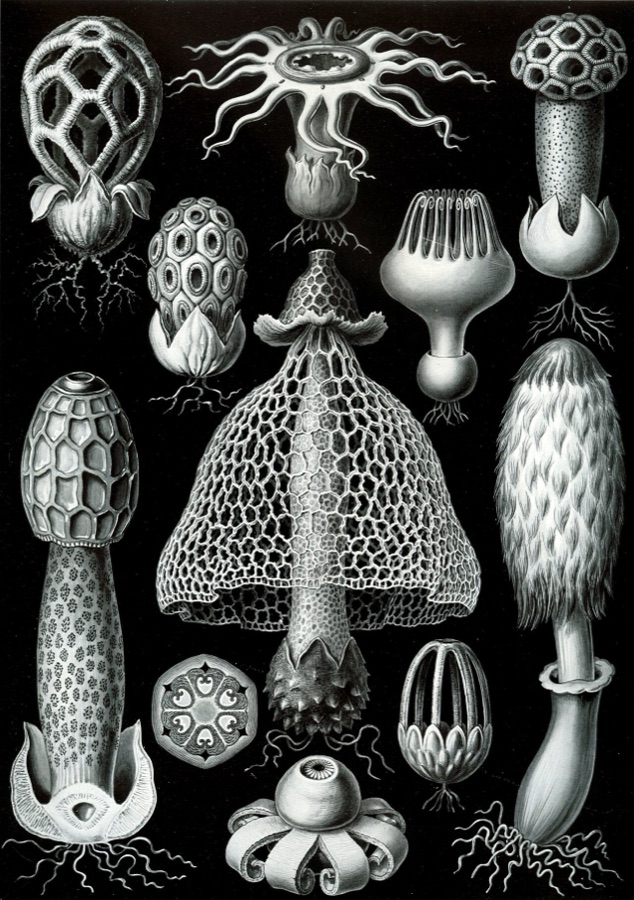
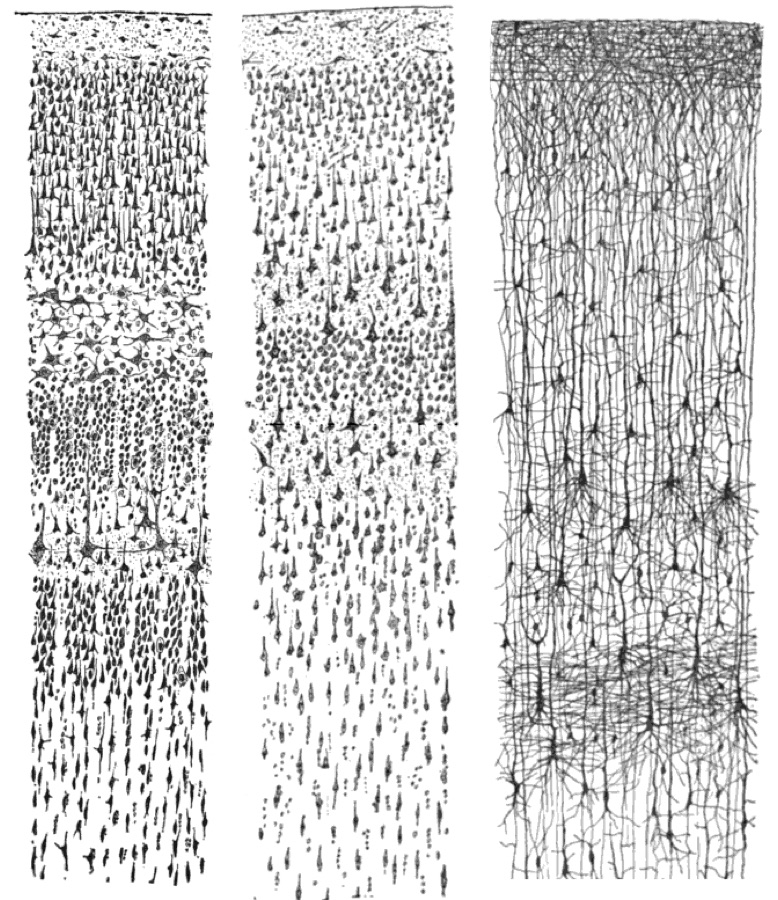
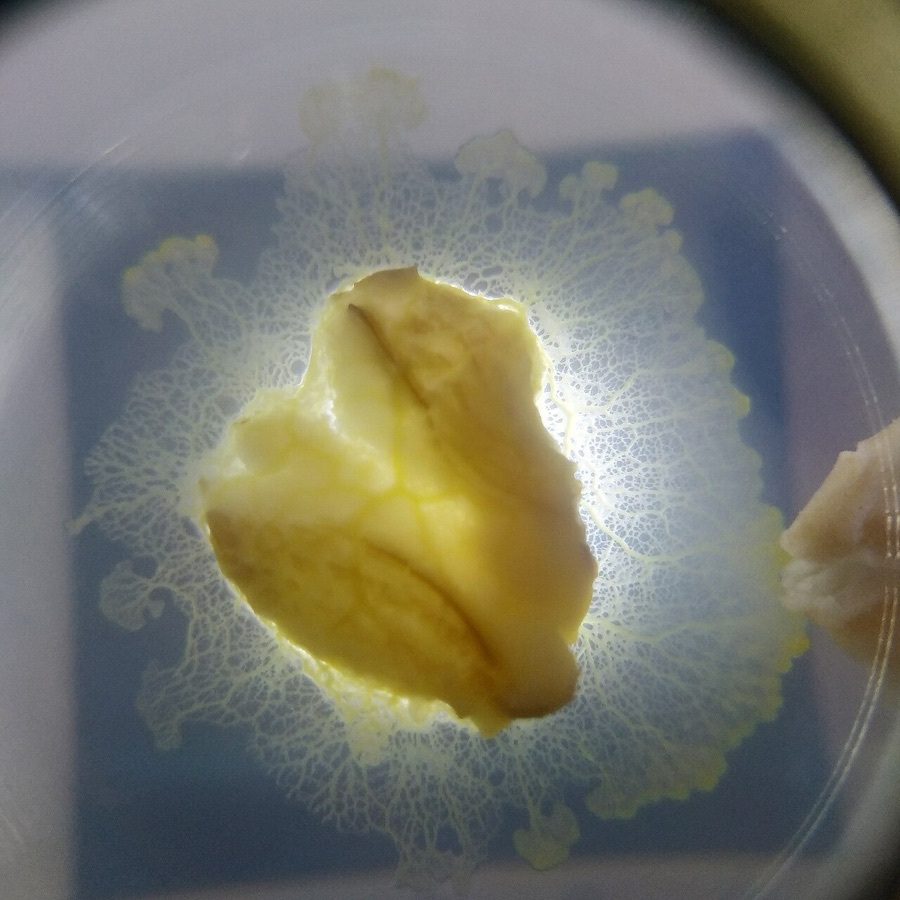
The same shape keeps turning up. Neurons wire into brains. Fungi move nutrients between trees that never touch. Slime mold, given oat flakes laid out like the towns around Tokyo, grows most of the rail network in a day.
Where the path hasn't found itself, we lay it by hand: roads, grids, cable on the ocean floor.
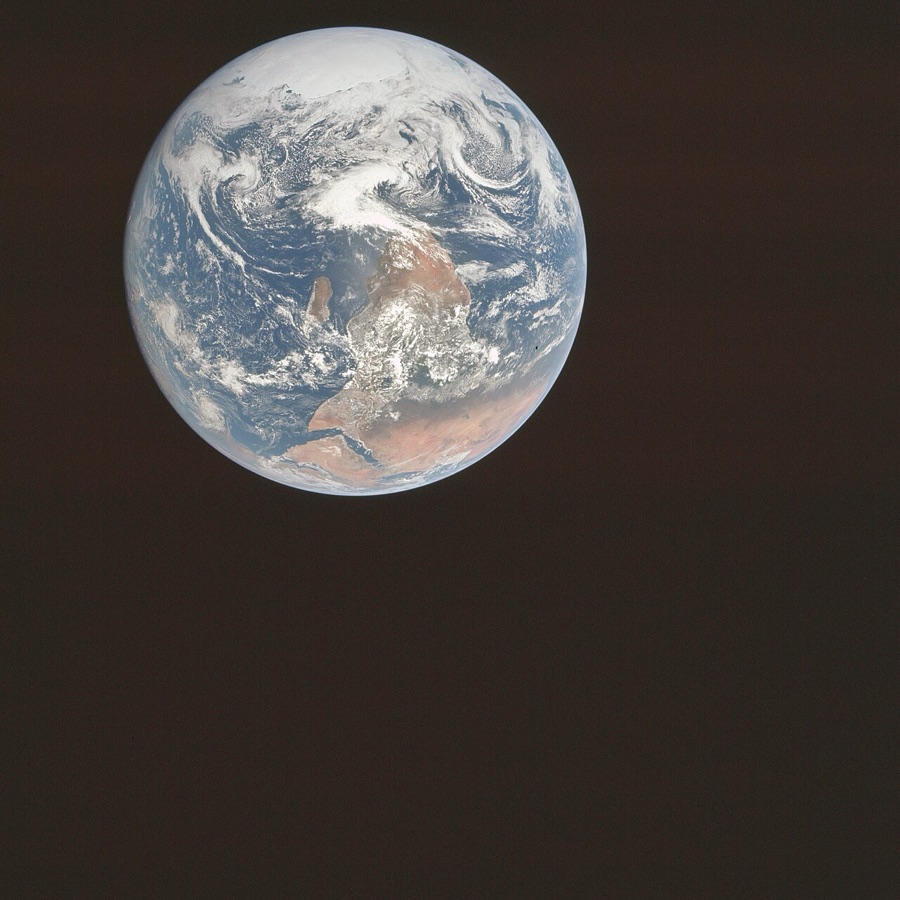
So I think Earth is doing what a body does, and we're its cells. Fungi are the gut. We're a nervous system, and a young one.
Telescopes are the first photoreceptors — cells at the surface learning to notice a dip in the light.
Right now Earth is a worm. It senses, it moves, it doesn't reflect.
Cells don't opt out of the body. Earth already reacts to itself through us: markets, borders, panic.
Fear is the only signal that has ever moved us at that scale. It shut every border in the world inside a month in 2020. It has never once done that for carbon.
The wood wide web is shakier than its fame suggests: a 2023 review found citation bias running one direction for twenty-five years, and no published evidence that mature trees preferentially feed their own offspring. The mycelium is real. The fairy tale around it is not.
Lovelock's Gaia is the ancestor of this, but the version I mean is closer to Maynard Smith and Szathmáry: evolution occasionally changes how information is stored and passed on, and when it does, things that used to be individuals become parts.
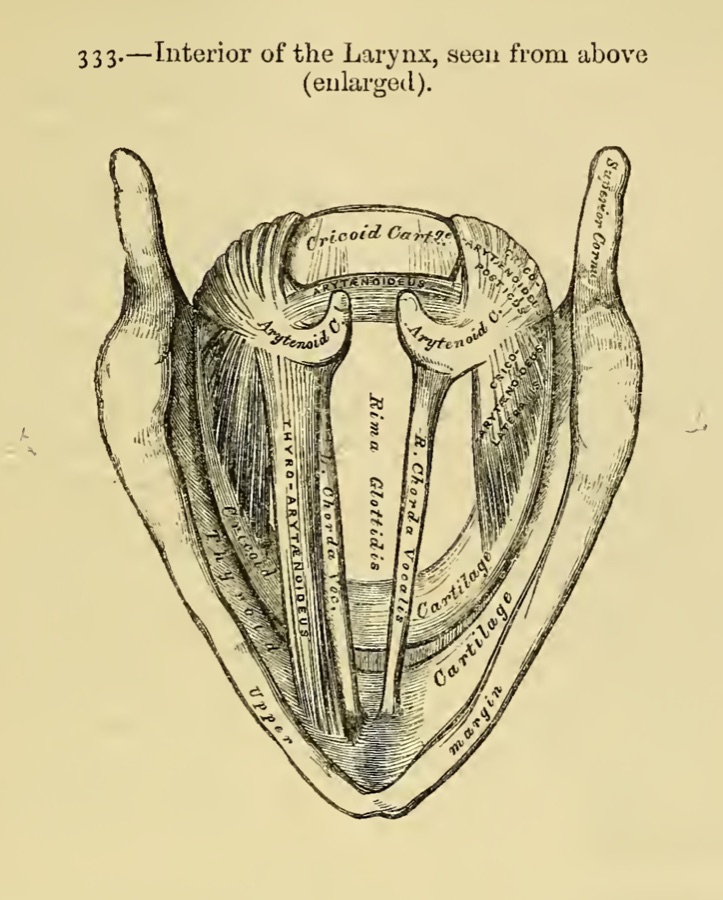
Your voice shakes before you know you're afraid. Fear tightens the larynx, the pitch climbs, the breath shortens, and the person across the table hears it before you finish the sentence.
That's prosody. It isn't decoration on the words — it's the body leaking into the sound. That's why it's hard to fake, and why we trust it.
People in twenty-one societies can tell a real laugh from a performed one, and the cue is the same everywhere: the real one has a body behind it.
An AI voice has no body to leak. Any sentence can be said a thousand ways and the text doesn't say which, so the model guesses the tune a feeling person would have used.
The guess is often good. Still, the lab furthest along reports that once there's a conversation for context, its own listeners prefer the human recording.
The gap isn't audio quality. In a person, prosody is set by a body in some condition. There's no body in the loop. The voice is describing a feeling, and nothing is having one.
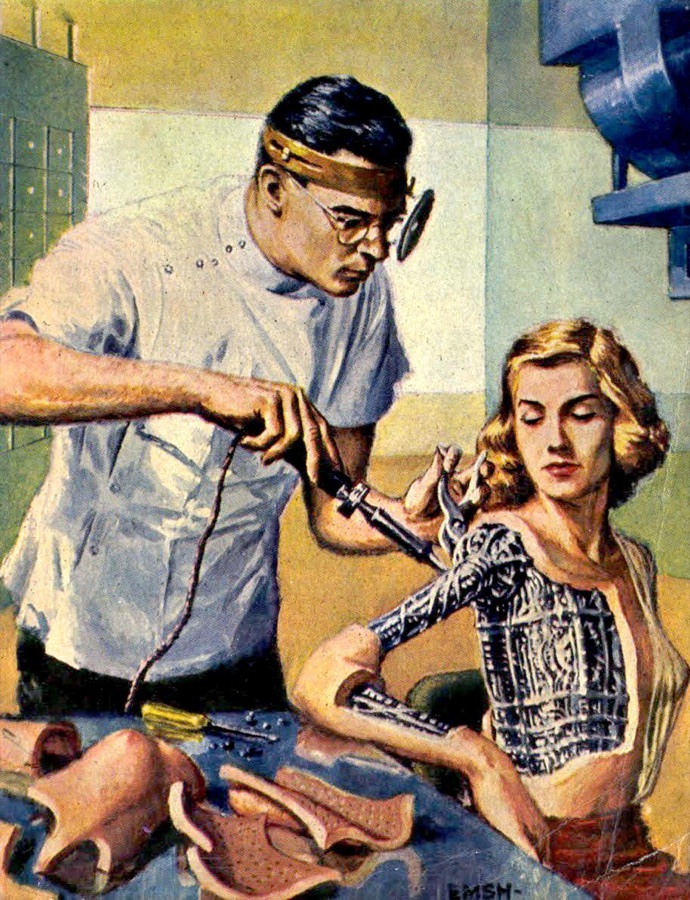
That isn't a bug a bigger model fixes. It's what a model is. The equations for a hurricane are a complete description of one, and nothing gets wet. A map of the mountain isn't cold.
Math describes the world with absurd precision and is not the world. A language model is math. Asking whether it feels is asking whether the map is cold.
The comeback: a brain is a model too. It is. But a brain is a model of a body it has to keep alive, and feeling is what that job is like from the inside — hunger, fear and pain are the readout of a body drifting from where it needs to be.
Nothing is at stake for a weather model, and nothing is at stake for a language model. Its loss isn't pain, any more than a thermostat suffers the cold. A jellyfish has more at stake than anything we've ever trained — that was thesis 02.
So the sentience debate is the wrong place to spend the time. We already know who feels. Everyone who has looked agrees on mammals and birds, and there's a realistic case for every vertebrate, plus octopuses, crabs and insects.
We kill 83 billion land animals a year, somewhere between one and two trillion fish, and about half a million people are murdered by other people. None of that is in doubt.
The one case with nothing left to find out is the model, and it's the one we keep arguing about. Every hour on it is an hour not spent on the pig in the truck.
the evidence
The body-to-voice link is Scherer's push effects (1986): emotional arousal changes respiration, phonation and articulation, and those changes come out as pitch, loudness and timing whether you want them to or not. The listener's side is universal too — Sauter et al. (2010) played English laughs, screams and sighs to the Himba of northern Namibia, who named the emotions anyway.
Real versus performed: Bryant et al. (2018) tested spontaneous against volitional laughter across 21 societies. Listeners told them apart everywhere, at 56 to 69 percent, and sound features associated with arousal in vocal production predicted listeners' judgments fairly uniformly across societies. Not perfect, never perfect — Bryant calls it an arms race between leaking and faking. The leak is what they're listening for.
Why text-to-speech has to guess: the one-to-many problem — one sentence, countless valid prosodies, and the text alone doesn't pick. Sesame's 2025 write-up is the candid version from inside: today's assistants have an emotional flatness that becomes exhausting, and even with their conversational model, evaluators consistently favor the original recordings once there's context — a noticeable gap remains between generated and human prosody.
People aren't reliable at hearing it, and honesty requires saying so: Mai et al. (2023) found listeners catch speech deepfakes about 73 percent of the time, reaching for pauses, tone and intonation and breathing as cues. The machines that do it well reach for the same place — Pitch Imperfect (2025) gets most of its signal from jitter, shimmer and mean pitch. Jitter and shimmer are the cycle-to-cycle wobble of the vocal folds: the tremor of a body in the sound.
The map line is Korzybski, 1931. The weather line is Searle's, from Minds, Brains, and Programs (1980): No one supposes that computer simulations of a five-alarm fire will burn the neighborhood down or that a computer simulation of a rainstorm will leave us all drenched. He was arguing about understanding. I think it lands harder on feeling.
Who feels, per the people who study it: the Cambridge Declaration (2012) — the weight of evidence indicates that humans are not unique in possessing the neurological substrates that generate consciousness — naming all mammals, birds and octopuses. The New York Declaration (2024) extended that to a realistic possibility of conscious experience in all vertebrates (including reptiles, amphibians, and fishes) and many invertebrates (including, at minimum, cephalopod mollusks, decapod crustaceans, and insects).
The counts: 83 billion land animals slaughtered in 2022, nearly all of them chickens, excluding the male chicks killed by the egg industry. fishcount.org.uk puts wild fish at 0.79 to 2.3 trillion a year, plus about 124 billion farmed. The UNODC counted 458,000 homicides in 2021 — fifty-two an hour.
The debate, meanwhile, is well funded: Anthropic opened a model welfare research program in April 2025, and the researcher who leads it put the odds that a current model is already conscious at around fifteen percent. I don't doubt the sincerity. I doubt the allocation.
Reading takes effort. You put the effort in because you trust the writer meant something.
Writers share a world with their readers. The shared world is what makes a metaphor land.
AI has the whole internet and shares no particular world with you. Its metaphors come from nowhere you've been.
After enough of those, you stop putting in the effort. That's the trust reading runs on, and AI broke it.
I use AI heavily where the full context exists. Code is the best case: the whole context fits in the repo, and the compiler catches nonsense.
Culture is the worst case. That context lives in people, and prose has no compiler. Only readers.
the evidence
Grice called it the cooperative principle: conversation works because each side assumes the other is trying to mean something. Reading difficult prose is that assumption, extended on credit.
The internet now runs detection heuristics on punctuation — a whole generation of readers treats an em dash as a confession. The heuristics are often wrong; that we need them at all is the point.
My own split: AI writes my code because code has a compiler and nonsense gets caught. Prose only has readers.
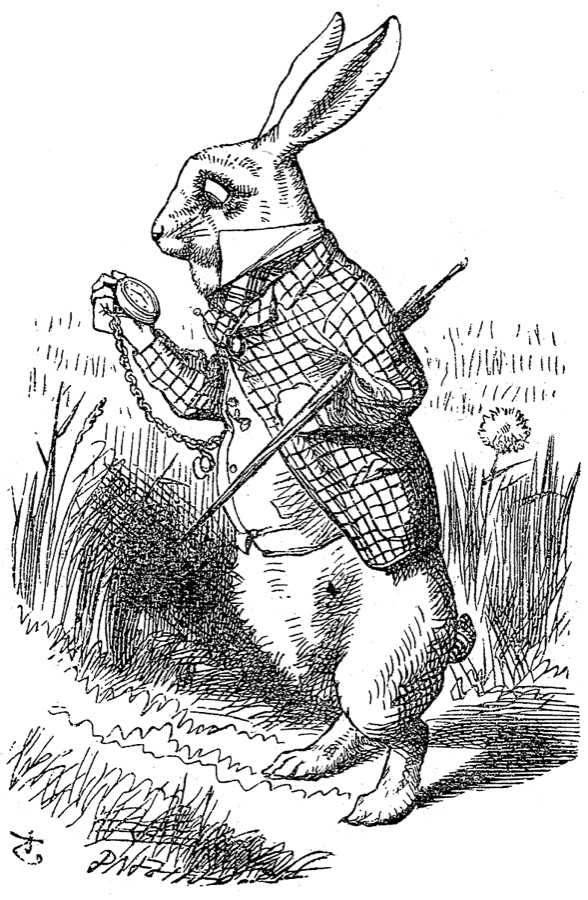
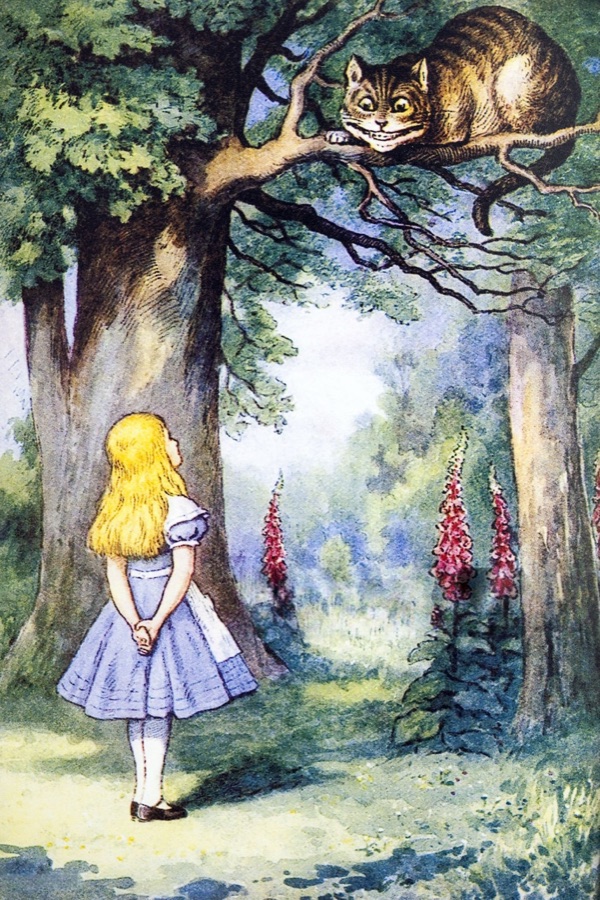
Alice and Neo are the same character. One falls into a world that runs on rules she can't see. The other learns to see the rules behind a world he thought was real.
Wonder is machinery you can't read yet.
Your twenties are for wonderland. Follow every rabbit, drink every bottle, learn the world by falling through it.
Stay curious long enough and the garden resolves into machinery — including the part of it that was built for you.
Neither story ends at seeing. Alice wakes and tells the dream. Neo stops living the life that was written for him. The visitor becomes the author.
That's the work of my thirties: building the wonderlands instead of visiting them.
That's what this site is. Join me?
the evidence
Carroll ends with Alice waking mid-trial to tell the dream. The Wachowskis end with Neo dictating terms to the machines over a phone line. Both stories close on authors, not residents.